Product Overview
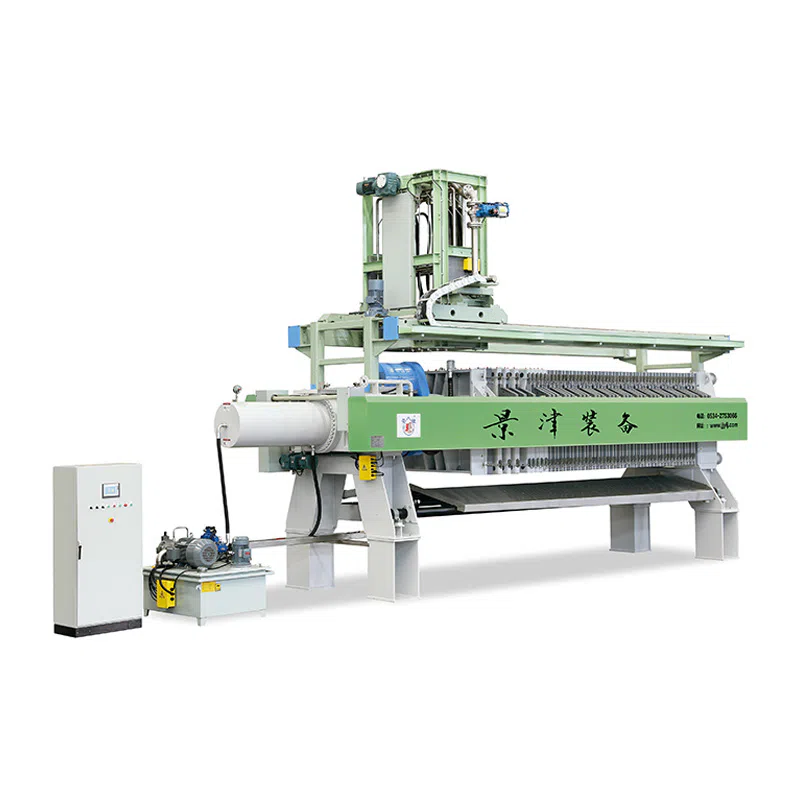
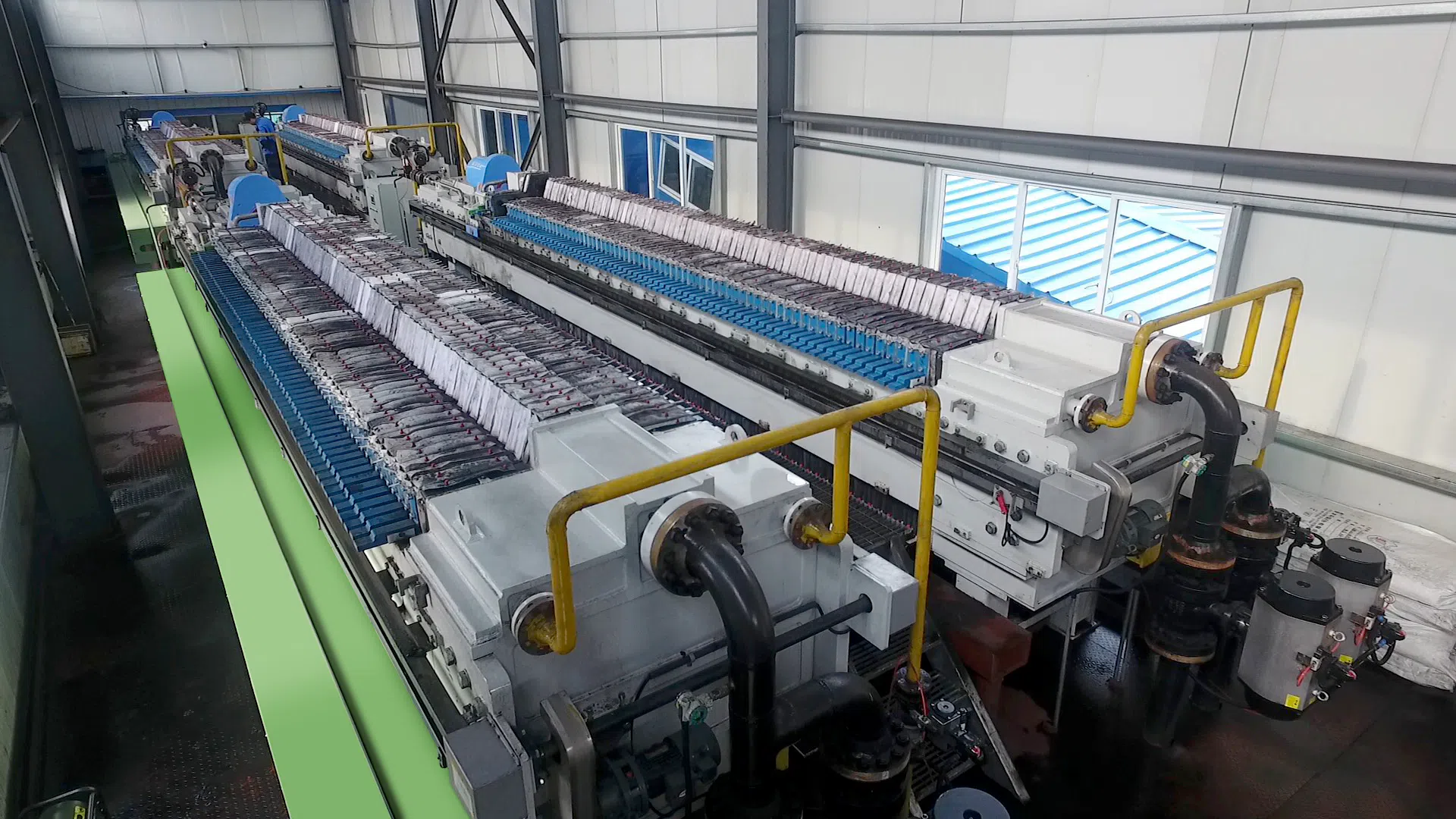
Hydraulic Filter Press is intended for dewatering wastewater from titanium dioxide production and slurries from coal washing. The series includes model 1000 with 10–70 m² of filtration area, model 1300 with 100–220 m², and model 1600 with 200–400 m².
Each machine comprises a frame, filtration section, hydraulic system, discharge device, automatic locking device and electrical controls. The locking nut is a core component. A geared motor moves it forward and backward to restrain piston rod retraction that may occur under filtration reaction loads or a drop in cylinder pressure.
Filtration and squeezing remove liquid from the feed, while the locking assembly helps retain the plate pack’s clamped position. These functions have separate roles within the machine. Squeezing conditions, cake moisture and throughput should be established through material testing and confirmation of the selected configuration.
Models and Filtration Areas
| Model | Filtration Area |
|---|---|
| 1000 | 10–70 m² |
| 1300 | 100–220 m² |
| 1600 | 200–400 m² |
Model selection should consider feed solids content, filtration behaviour, planned operating hours and required processing capacity. A larger filtration area does not directly establish a faster filtration rate; output also depends on chamber configuration and cycle duration.
Evaluate filtration area together with cake formation, squeezing performance and discharge behaviour when selecting the machine.
Hydraulic Clamping and Locking
The hydraulic system performs clamping movements to keep the filtration assembly closed. Pressure inside the chambers creates reaction loads on the clamping mechanism, making piston rod position an important part of machine operation.
The geared motor moves the locking nut into position to provide mechanical restraint. If cylinder pressure drops or filtration loads act against the clamping mechanism, the nut limits backward rod movement and helps preserve the plate pack position.
The locking nut does not generate cake squeezing pressure. Hydraulic system pressure, feed pressure and squeezing pressure should be specified separately and matched to the permitted conditions of the relevant components.
Process Applications
Titanium Dioxide Production Wastewater
Used for solid-liquid separation and cake dewatering in wastewater streams associated with titanium dioxide production. Wetted materials and filtration media should be selected for the actual liquid composition, temperature and separation requirements.
Coal Washing Slurries
Used for filtration and squeeze dewatering in coal washing operations. Feed concentration, particle characteristics and cake compressibility influence the result, so representative coal slime samples should be used for evaluation.
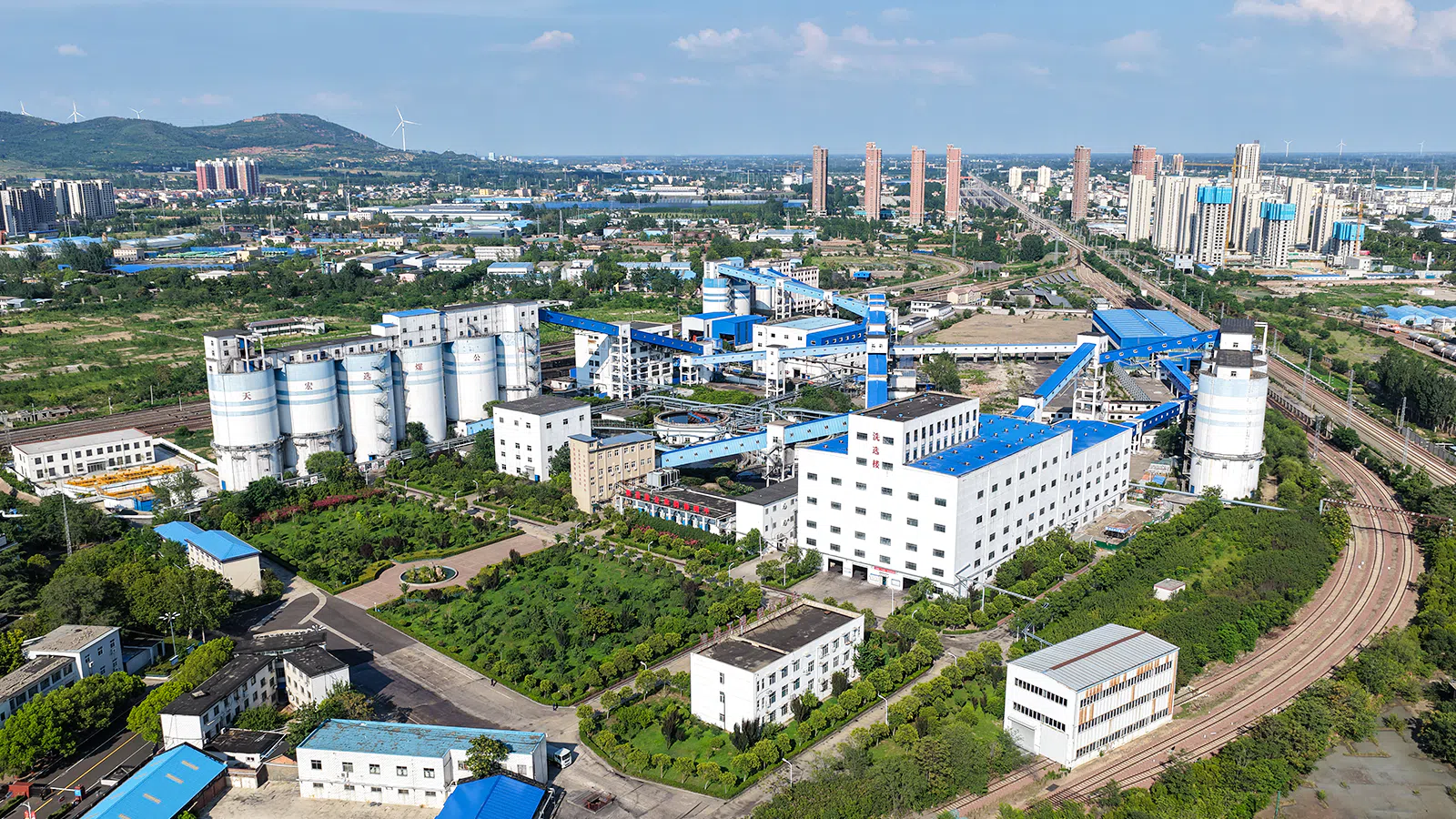
Project Selection Questions
What information is needed to select a model?
Provide representative feed samples together with solids content, particle size distribution, required throughput, planned operating hours and target cake moisture. Filtration trials can establish cake formation time, moisture after squeezing and discharge behaviour before filtration area and supporting equipment are selected.
Can existing feed pumps and pipework be retained?
Check their flow, pressure capability, wetted materials and connections against the selected press. Similar model numbers or filtration areas do not establish compatibility. The equipment interfaces and operating requirements should be reviewed during project planning.


