
Product Overview
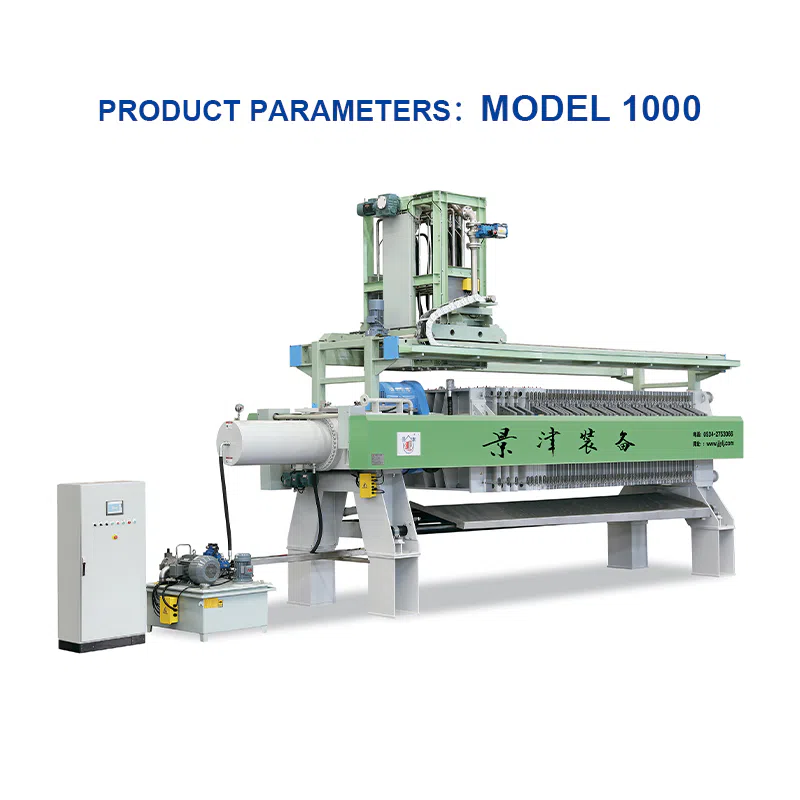
ETP Filter Press (model 1000) is used for solid-liquid separation in titanium dioxide production wastewater and coal washing applications, with a filtration area range of 10–70 m². It combines filtration and cake squeezing with an automatic lock nut that mechanically restrains piston rod retreat during operation.
A geared motor moves the lock nut forwards and backwards. Filtration reaction loads or a drop in cylinder pressure can cause the rod to retreat; the nut limits this movement to reduce plate damage and material splash risks. The hydraulic section provides the clamping action, while the lock nut provides mechanical restraint.
The assembly also includes the frame, filtration section, unloading device and electrical controls. For a first installation, filtration area is considered alongside the actual feed, filtrate destination, cake receiving arrangements and available site space, allowing the press to fit into the plant process.
For installation within an existing treatment stage, the 1000 press is specified around feed reception, filtrate discharge and cake removal. The machine and adjacent processes form a connected material handling route, translating the dewatering objective into practical operating and collection arrangements.
Technical Specifications
The 10–70 m² filtration area range can be selected around the feed, cake requirements and operating schedule. Solids content influences the solids load entering the press, while particle and cake characteristics affect liquid removal. Considering these factors together relates the equipment configuration to the actual filtration duty.
Hydraulic movement, nut actuation and filtration components are brought together within the machine. Area selection is considered with the connection layout, addressing both separation requirements and the practical needs of feeding, discharge, operator access and cleaning at the installation site.
| Item | Specification |
| Model | 1000 |
| Filtration area range | 10–70 m² |
| Main sections | Frame, filtration, hydraulics, unloading device, automatic locking device, electrical controls |
| Lock nut drive | Geared motor with automatic forward and backward movement |
| Cake treatment | Squeeze dewatering |
| Applications | Titanium dioxide production wastewater; coal washing |
Operating Process
Clamping and locking
The hydraulic and automatic locking sections coordinate plate clamping with piston rod restraint. The lock nut limits backward movement; cake squeezing is a separate equipment function.
Filtration and cake squeezing
During filtration, liquid leaves through the filtering medium while solids accumulate into a cake. Squeezing then expels additional water. The feed's filtration and compression characteristics influence how each stage performs.
Unloading and cycle coordination
The unloading device handles the cake discharge stage. The agreed operating sequence coordinates lock nut advance, withdrawal and unloading, keeping mechanical locking aligned with the process stages.
As solids accumulate in the filtration area, the developing cake becomes part of the liquid flow path. Feed properties and cake formation influence subsequent drainage. Observing filtration and squeezing as separate stages helps establish a suitable operating arrangement and produce cake that meets the downstream handling requirement.
System Integration
Feed and filtrate connections
Upstream feeding must suit the filtration duty. Describe the incoming material and its variation, and define the equipment inlet and site connection. Filtrate follows the plant's subsequent treatment route, with outlet and receiving conditions included in the layout.
Cake receiving arrangements
The cake reception area is planned with the press location to provide room for discharge, material handling, cloth inspection and routine cleaning. Filtrate outlets connect to the appropriate plant receiving facilities so the solid and liquid streams follow their respective downstream routes.
Hydraulics and electrical controls
The hydraulic section, lock nut motor and electrical controls participate in operation. Set power supply, wiring and installation conditions from the equipment specification, including how locking movements coordinate with the operating sequence.
The integration plan also considers how material reaches the press from upstream operations. A clear feed description, defined receiving locations and accessible connections support the operating layout. These provisions also make it easier to inspect feed and discharge conditions and plan maintenance during production.
Selection Guide
Feed information
Identify whether the duty involves titanium dioxide production wastewater or coal washing. Describe solids composition, concentration changes and any existing filtration problem; representative material helps establish filtration and compression behaviour.
Process objectives
State the incoming treatment requirement, filtrate destination and desired cake condition separately. A cake squeeze objective can differ from a requirement focused mainly on obtaining filtrate.
Site conditions
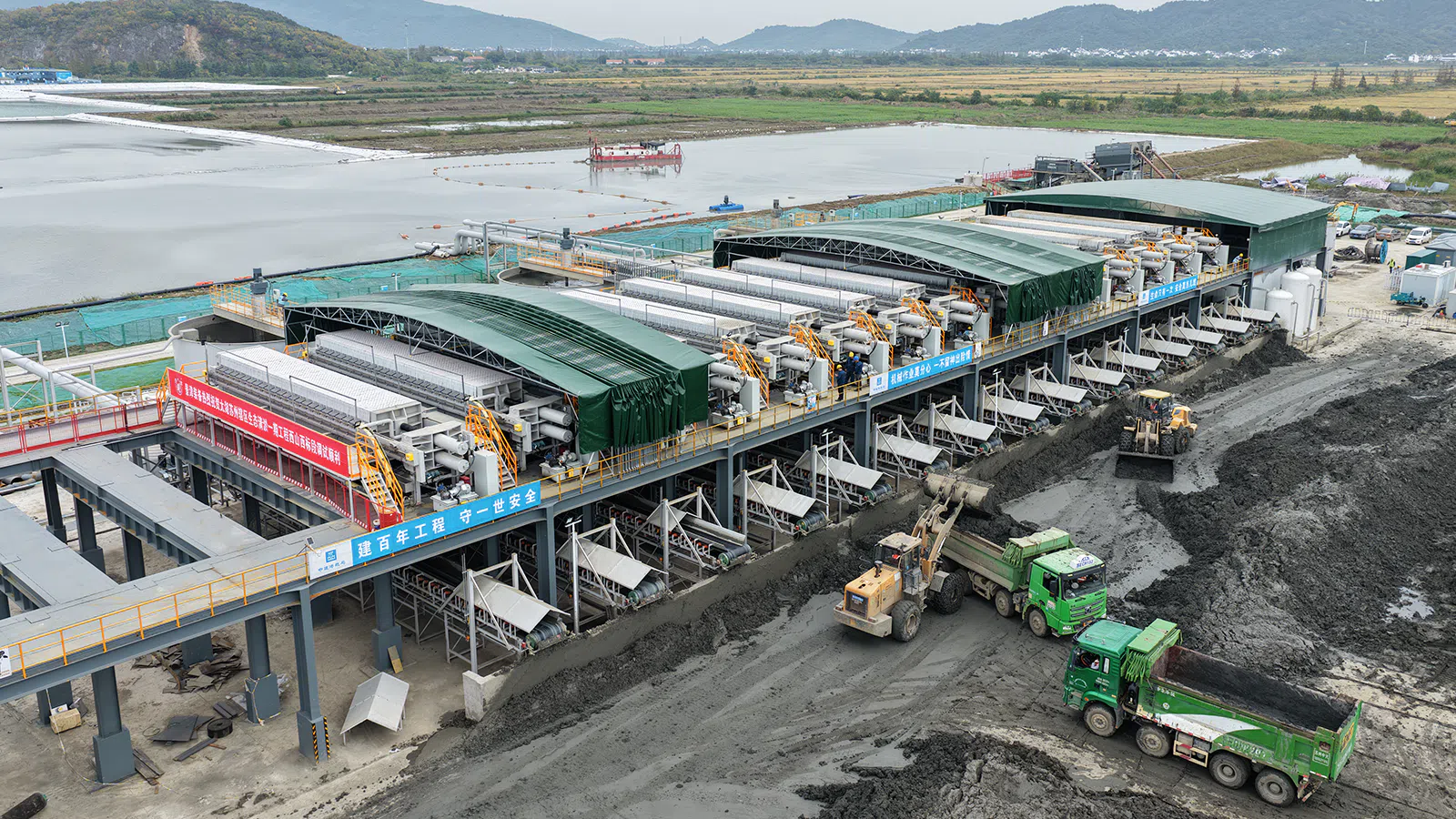
Include layout, feed and filtrate connections, cake receiving arrangements and power supply. For an existing line, describe adjacent process stages and the available operating space.
Configuration agreement
Use the material and process objectives to select filtration area and the associated configuration, then agree finished dimensions, installation interfaces and the operating sequence for the site.
Selection information can include normal feed and representative variation samples, assessed alongside existing filtration records. For titanium dioxide wastewater, describe liquid composition and the solids separation objective. For coal washing slurry, include particle characteristics, solids concentration and the intended cake handling route. This gives a practical basis for selecting the medium and operating conditions.


