Product Overview
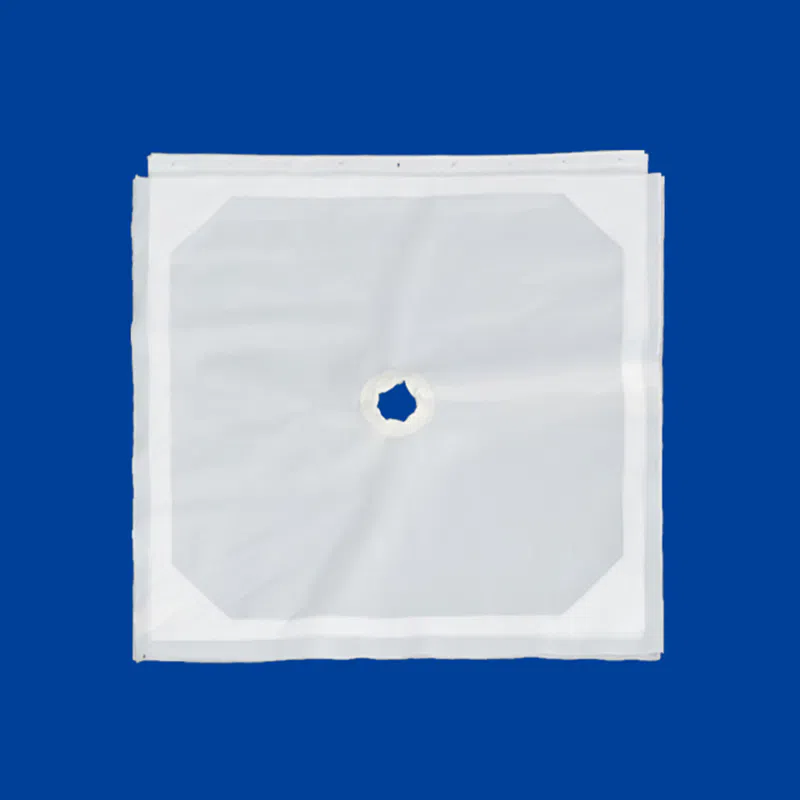
Industrial Filter Cloth (model 308B) is made from polypropylene for solid-liquid separation in chemical processing. Liquid passes through the medium while retained solids build into a cake. Changes in feed composition and particles can change filtration behaviour.
The filter cloth fabric has an air permeability of 4 L/(m²·s) and a thickness of 1.1 mm. Correct contact with the equipment support and seals keeps feed and filtrate on their intended paths.
This synthetic filter fabric also needs to suit the process and cleaning liquids. Before ordering, specify the chemicals, operating temperature and existing filtration problem. During use, check deposits, wear and changes in filtrate to help plan cleaning or replacement.
Material Selection
Identify the chemicals
Provide process and cleaning chemicals, concentrations and contact conditions before confirming polypropylene suitability.
Separate compatibility from filtration
Chemical compatibility and solids retention are different questions. Once the material is suitable, test actual feed for the required filtrate and cake condition.
Technical Specifications
Using the data
Permeability describes airflow, while thickness helps check the sample and fitting. Neither directly states liquid capacity, retention accuracy or allowable pressure.
| Item | Data |
| Model | 308B |
| Material | polypropylene |
| Air permeability | 4 L/(m²·s) |
| Thickness | 1.1 mm |
| Applications | chemical processing |
Operating Conditions
Chemical solid-liquid separation
Used at chemical filtration stages, with requirements set by the actual liquid, particles and required solids condition.
Changes in service
When feed, operating temperature or cleaning methods change, confirm material compatibility again and record the filtration behaviour.
Frequently Asked Questions
What is needed for a replacement
Provide fitting requirements, a used sample and service records, identifying whether the issue concerns filtrate, drainage or damage.
Can the existing cleaning method be retained
First confirm that the cleaning chemicals and conditions suit polypropylene and the equipment, even within the same chemical application.


