

Product Overview
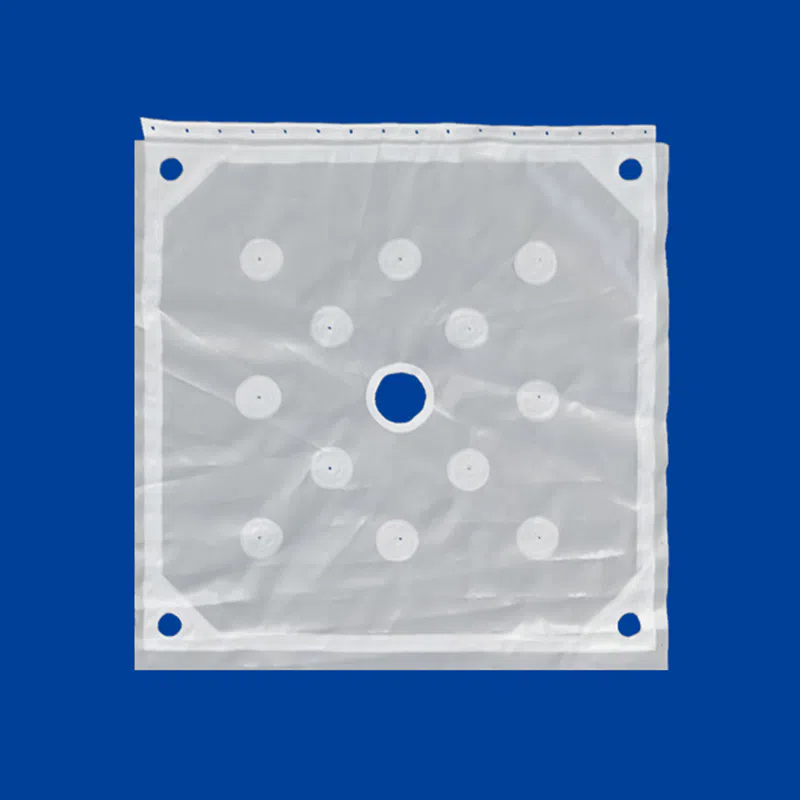
Polypropylene Filter Cloth (model 108C-3) is used for solid-liquid separation in agar processing. Liquid passes through the filter cloth while solids accumulate. The cloth and the developing solids layer both influence the filtrate and the later stages of filtration.
Made from polypropylene, this filtration cloth has an air permeability of 1.5 L/(m²·s) and a thickness of 0.85 mm. It needs to fit the equipment support and sealing surfaces so that feed follows the intended filtration path.
Agar feed condition and solids composition affect filtration. Use actual feed to observe filtrate, cake and residues, then check performance after cleaning. For a replacement, also confirm the existing installation dimensions and service history.
Technical Specifications
Understanding air permeability
Air permeability describes airflow through the fabric. Compare values under consistent test conditions; the number is not a liquid flux or particle retention rating.
| Item | Data |
| Model | 108C-3 |
| Material | polypropylene |
| Air permeability | 1.5 L/(m²·s) |
| Thickness | 0.85 mm |
| Applications | agar |
Working Principle
From cloth retention to cake filtration
The cloth initially retains solids. As they accumulate, the cake also changes liquid passage, so startup and later filtrate can differ.
Follow the whole process
Recording feed, filtrate and cake changes helps distinguish feed variation, solids buildup and installation problems.
Applications
Agar processing
Used to filter agar process liquids. The installation point depends on the solids to be separated, the filtrate's use and subsequent cake handling.
Batch variation
Record solids condition and filtration behaviour for different batches to identify problems associated with changes in the feed.
Selection Guide
Describe the filtration duty
Provide feed information, the required liquid or solids condition and the existing equipment's fitting requirements.
Confirm service conditions
Check liquid composition, temperature and cleaning methods. For replacements, deposits, wear and tear locations on the used cloth can also be useful.


