
Product Overview
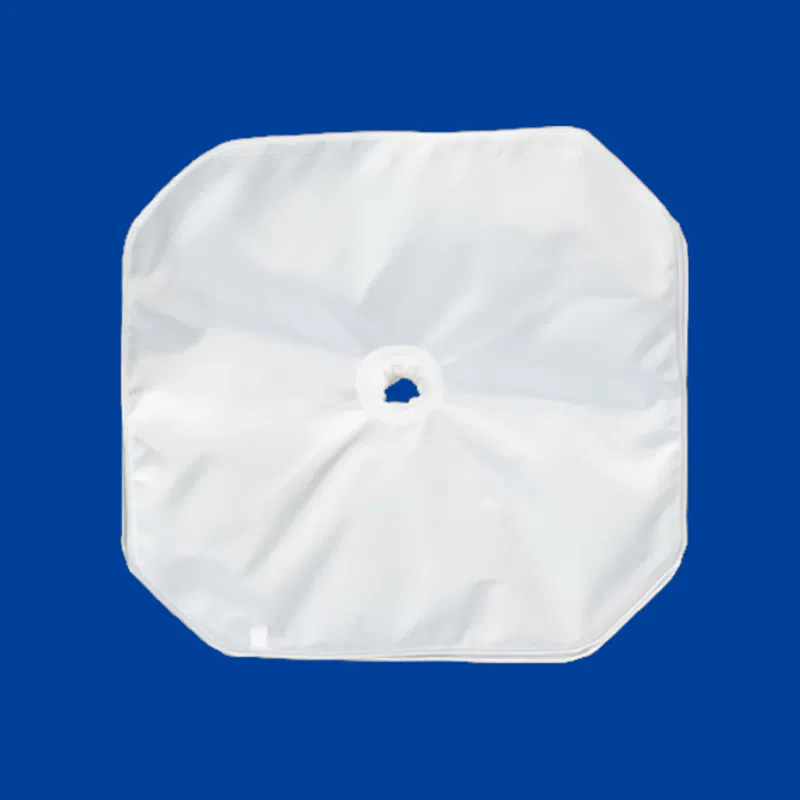
Non Woven Filter Cloth, model 720g Nonwoven, is used for tailings and alumina filtration. This non woven filter fabric consists of a network of polypropylene fibres.
Thickness is 2.9 mm and air permeability is 150 L/(m²·s). In use, the medium supports retained solids. The equipment support and local contact points influence how the cloth is loaded.
This PP filter cloth should be selected for the particular tailings or alumina feed. During trials, observe filtrate and solids discharge, then inspect deposits, local deformation and condition after cleaning. These observations show how the medium behaves in the intended installation.
Nonwoven Structure
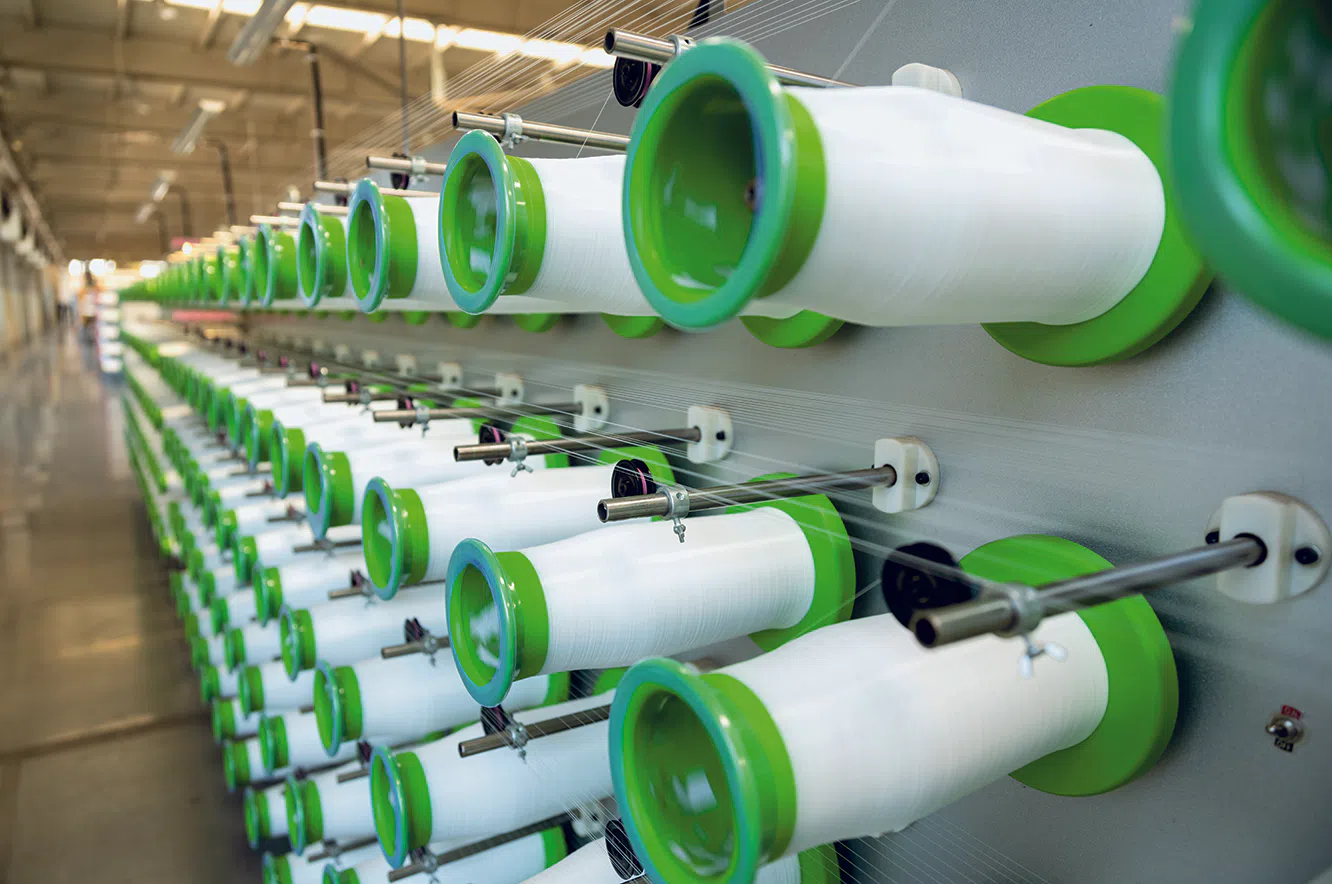
Nonwoven filter media form a coherent sheet of fibres. Check the manufacturing details for the selected grade.
The 2.9 mm thickness must fit the support and fastening arrangement. Inspect impressions, contact locations and local deformation after use.
Technical Specifications
Air permeability is 150 L/(m²·s). Compare airflow through different media under the same test conditions.
| Item | Data |
| Model | 720g Nonwoven |
| Material | polypropylene |
| Air permeability | 150 L/(m²·s) |
| Thickness | 2.9 mm |
| Applications | tailings processing; alumina processing |
Applications
For tailings filtration, particle distribution, solids content and the destination of the separated solids define the requirement.
For alumina processing, identify the material, liquor composition and required filtrate condition. Recheck cloth behaviour when the material or process stage changes.
Trial Evaluation
Use representative tailings or alumina material, recording the feed, filtration process and solids discharge for each duty.
After the trial, inspect residues, edges and support contact points, then note changes after cleaning. Record the feed batch and operating conditions so later results can be compared on the same basis.


