
Product Overview
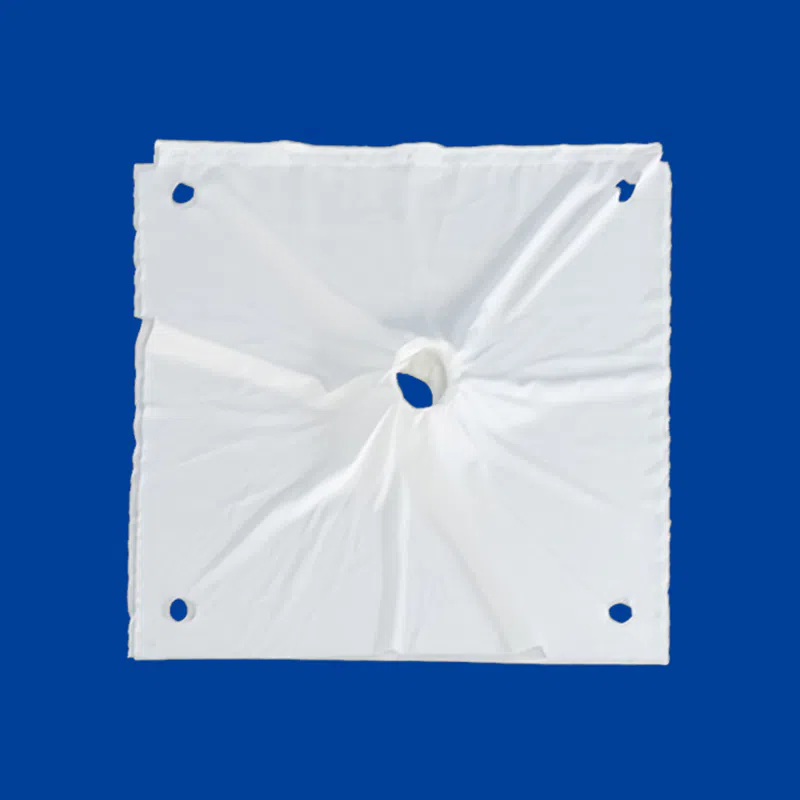
Polypropylene Filter Fabric (model 750A) serves as a separation layer in chemical processing, sugar processing and dye processing. Liquid passes through the cloth while solids accumulate into a cake that participates in later filtration.
This PP filter cloth has an air permeability of 20 L/(m²·s) and a thickness of 0.7 mm. It needs appropriate equipment support and sealing, together with process and cleaning liquids compatible with the material.
When choosing filtration fabrics, consider the particles, filtrate use and cake handling. Compare filtrate and cake under the same feed conditions, then check residues after cleaning. This helps distinguish differences between materials from changes in the feed.
Working Principle
Initial filtration
When feed contacts the cloth, liquid passes through; solids retention depends on the particles and fabric construction.
After cake formation
The solids layer also changes liquid passage. Observe startup and later filtrate and drainage rather than relying only on the initial flow.
Technical Specifications
Parameter interpretation
Air permeability measures airflow through the fabric, not process liquid flux. Thickness helps verify specification and fitting but does not independently determine retention accuracy.
| Item | Data |
| Model | 750A |
| Material | polypropylene |
| Air permeability | 20 L/(m²·s) |
| Thickness | 0.7 mm |
| Applications | chemical processing; sugar processing; dye processing |
Applications
Chemicals and dyes
Used to filter relevant materials, with requirements determined by liquid composition, solids and the next processing step.
Sugar processing
Used at relevant sugar filtration stages, identifying the solids to separate or retain from the feed and production process.
Process Assessment
Keep conditions comparable
Record feed source, solids condition and equipment operation so that batch changes do not obscure material differences.
Record results separately
Document filtrate, cake, drainage and the cleaned surface. When abnormalities occur, also check fitting and seals for bypass or other installation issues.


