Product Overview
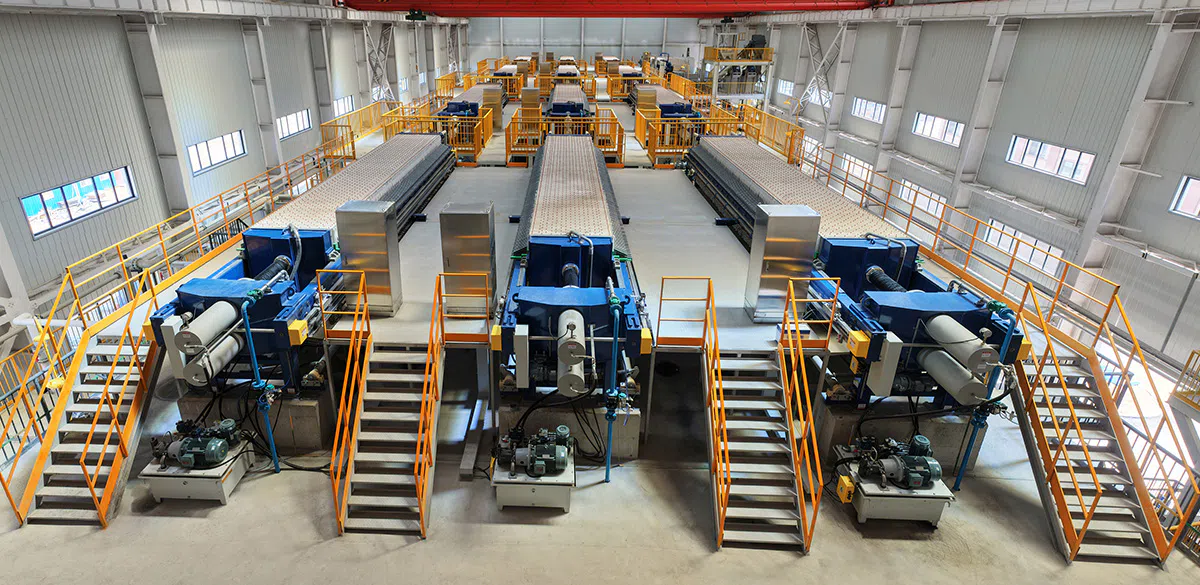
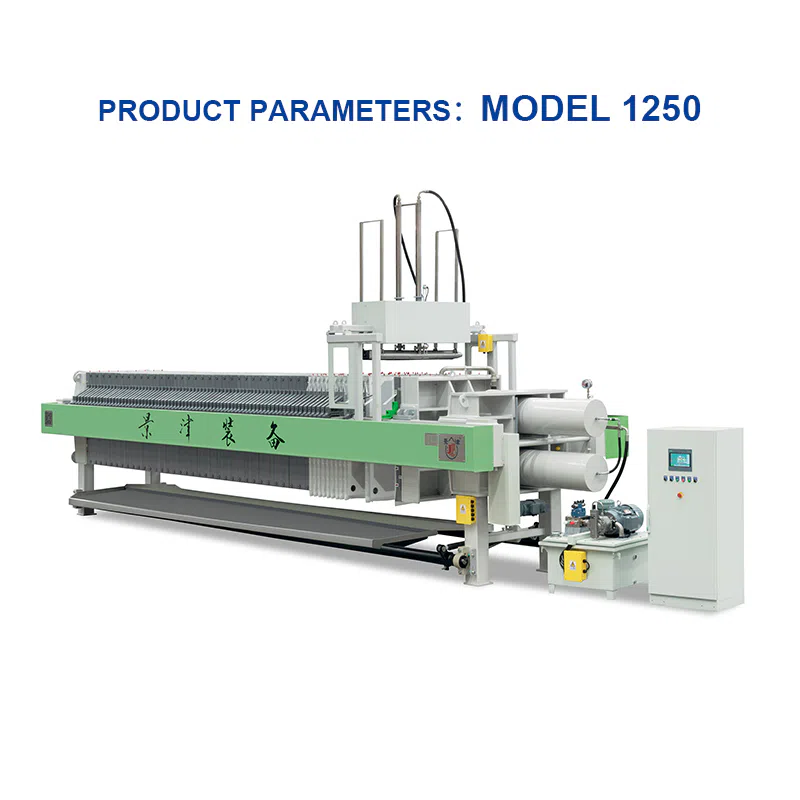
The 1250 Automatic Cloth Washing Filter Press incorporates programmed cloth washing into a conventional solid-liquid separation machine, with particular emphasis on managing the condition of the filtration medium. As solids and other deposits accumulate during operation, they may restrict liquid passage through the cloth and influence the duration of subsequent filtration cycles.
The integrated cleaning arrangement addresses this issue through a movable washing frame fitted with high-pressure nozzles and brushes. Engagement with the plate shifting trolley allows the assembly to travel and wash individual cloths according to the programmed sequence. This provides a structured approach to cleaning within the equipment's operating routine.
The 1250 model is relevant where cloth fouling and changes in filtration performance are important operational considerations. Its effectiveness should be assessed using actual feed materials, cloth characteristics, and cleaning conditions. Washing can support cloth maintenance, but it does not establish a guaranteed service life or fixed filtration cycle time.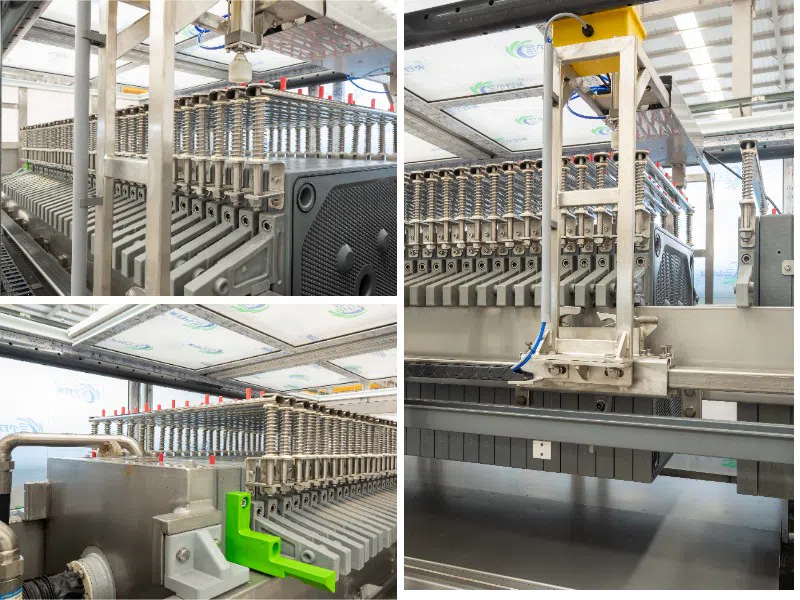
Technical Specifications
| Item | Specification |
| Model | 1250 |
| Equipment Arrangement | Conventional Filter Press with Integrated Washing System |
| Washing Movement | Automatic Engagement with the Plate Shifting Trolley |
| Cleaning Components | High-Pressure Spray Nozzles and Brushes |
| Washing Operation | Timed Cleaning of Individual Cloths |
Product Functions
Solid-Liquid Separation
The filter press separates solids and liquids through its filtration assembly, with the cloth serving as the separation medium.
Automated Cloth Rinsing
A programmed washing assembly treats cloth surfaces using spray nozzles and brushes to remove retained deposits.
Support for Repeated Filtration Operations
By including cloth cleaning within the operating procedure, the equipment helps manage fouling that could otherwise affect later filtration runs.
Filter Cloth Maintenance
Cloth cleaning should be assessed by examining residual deposits and the filtration results that follow. Where the feed produces substantial surface buildup, the condition of the cleaned fabric and any change in cycle duration provide more useful information than program completion alone.
Cleaning parameters must also be compatible with the cloth material. The available documentation does not specify spray pressure, brush contact settings, or cleaning liquid requirements, so these should be verified against the relevant equipment and fabric specifications.
Applications
Industrial Solid-Liquid Separation
The 1250 model can be considered for filtration operations where automated cloth cleaning forms part of routine equipment management.
Processes Susceptible to Cloth Fouling
For feeds that leave deposits affecting liquid passage, the combined washing and brushing arrangement may be evaluated under representative operating conditions.
The source does not identify particular industries or materials for this model. Its application range should therefore be established through project-specific technical assessment.