
Product Overview
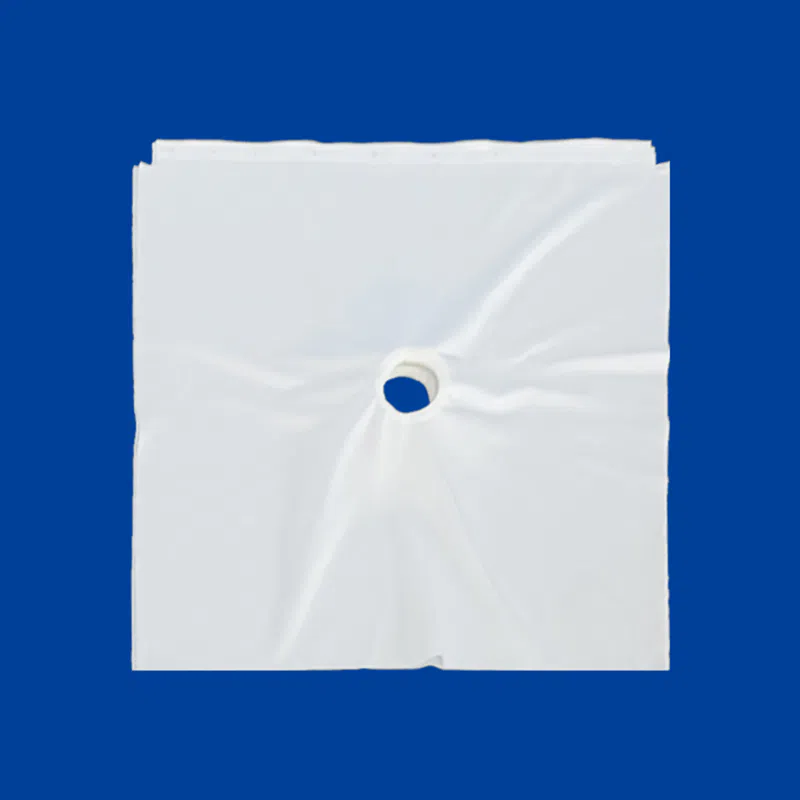
Polyester Filter Cloth (model 621) is used for solid-liquid separation in electrolytic manganese processing, chemical processing and dye processing. The cloth retains solids as liquid passes through, and the resulting cake continues to influence filtration.
This industrial filter cloth is polyester, with an air permeability of 19 L/(m²·s) and a thickness of 0.55 mm. Finished dimensions, feed locations and seals need to fit the equipment, while the material must suit the liquid it contacts.
Try the filter cloth fabric with actual process liquid to observe filtrate and cake. During service, inspect deposits and damage to distinguish the effects of feed changes, cleaning and equipment contact.
Material Selection
Check the contacting liquids
Confirm process and cleaning liquids, temperature and contact conditions before choosing polyester for the stage.
Use the old cloth as evidence
For a replacement, provide a used sample and service record. Deposit and damage locations can reveal more about the site problem than a model name alone.
Technical Specifications
Using the specification
Read permeability as an airflow measurement and check thickness against the fitting. Neither number directly determines liquid capacity, particle retention or permitted service conditions.
| Item | Data |
| Model | 621 |
| Material | polyester |
| Air permeability | 19 L/(m²·s) |
| Thickness | 0.55 mm |
| Applications | electrolytic manganese processing; chemical processing; dye processing |
Applications
Electrolytic manganese and chemicals
Used to filter relevant process liquids, with the task defined by the solids, liquid phase and next processing step.
Dye processing
Used for dye-related solid-liquid separation, focusing on particle retention, filtrate condition and cloth residues.
Frequently Asked Questions
Are polyester cloths interchangeable
Check fabric specification, dimensions and fitting, as well as the actual filtration and cleaning conditions.
How are replacement dimensions confirmed
Use the equipment's fitting and sealing requirements to check finished dimensions and openings rather than deriving them from the model number.


