
Product Overview
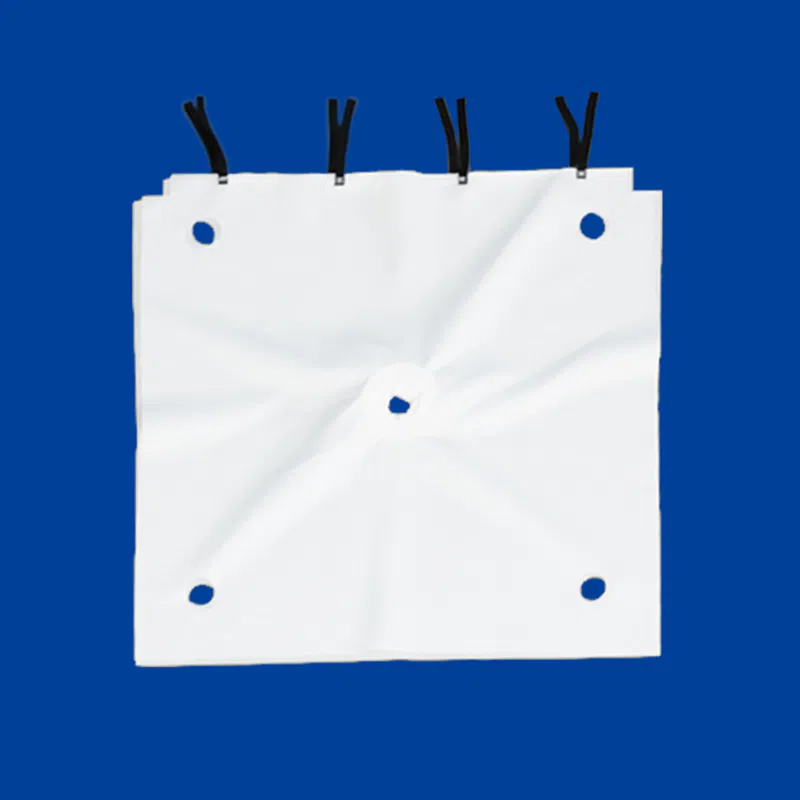
Filter Cloth Fabric 550AB serves filtration stages in corn starch and sugar processing. Made from polypropylene, this filtration cloth separates solids and liquid according to the needs of the particular stage.
The polypropylene filter fabric is 0.95 mm thick and has an air permeability of 20 L/(m²·s). Liquid passes through the medium as retained solids build a cake, which then contributes to further filtration.
During use, attention should go to filtrate condition, cake discharge and deposits on the filter cloth. Cleaning needs depend on the material. After cleaning and reinstallation, check edges, support contacts and local folds so the cloth sits correctly in the equipment.
Applications
For corn starch stages, first identify the solids to be retained and how the filtrate will be used.
In sugar processing, selection follows the particular liquor and filtration task. Formulation and cleaning arrangements change the conditions in contact with the cloth.
Working Principle
A filtration pressure differential drives liquid through the cloth while solids remain at the medium. The accumulated cake also takes part in filtration.
Cake growth and cloth deposits change resistance to flow, so initial filtrate should be observed separately from later operation.
Technical Specifications
Thickness is 0.95 mm. Air-permeability data compare airflow behaviour; record liquor filtration results separately during trials.
| Item | Data |
| Model | 550AB |
| Material | polypropylene |
| Air permeability | 20 L/(m²·s) |
| Thickness | 0.95 mm |
| Applications | corn starch processing; sugar processing |
Filter Cloth Maintenance
Inspect residues on the surface, edges and supports, noting any accompanying change in filtration. Cleaning media and conditions must suit the polypropylene cloth, deposits and equipment.
After cleaning, check for tears, local deformation and contact wear, and confirm the fit after reinstallation.