Product Overview
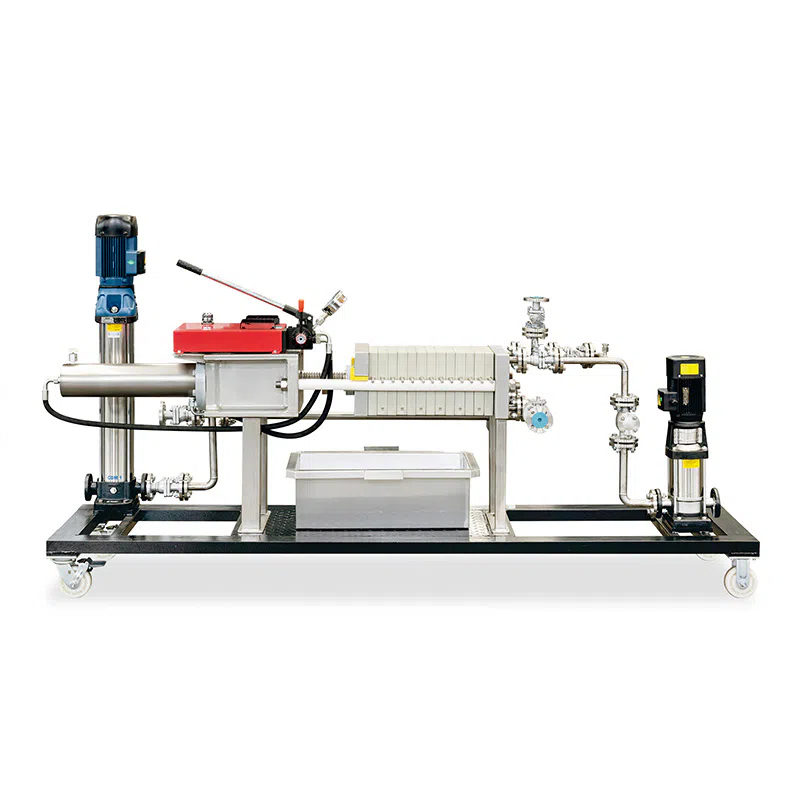
The 250 Manual Filter Press is a compact, batch-operated solid-liquid separation machine designed for laboratory filtration, small-batch material processing, and limited-scale industrial applications. Equipped with 250 × 250 mm reinforced polypropylene filter plates, it provides an approximate filtration area of 0.5–1 m², depending on the number of plates installed.
Unlike larger automatic filter presses, this machine is intended for applications where modest processing volumes and operational flexibility are more important than continuous high-capacity production. During filtration, the plate assembly is secured through a manually operated clamping arrangement. Feed slurry enters the filtration chambers under pressure, allowing liquid to pass through the filter cloth while solid particles are retained to form a filter cake. Following filtration, the equipment is opened for manual cake removal.
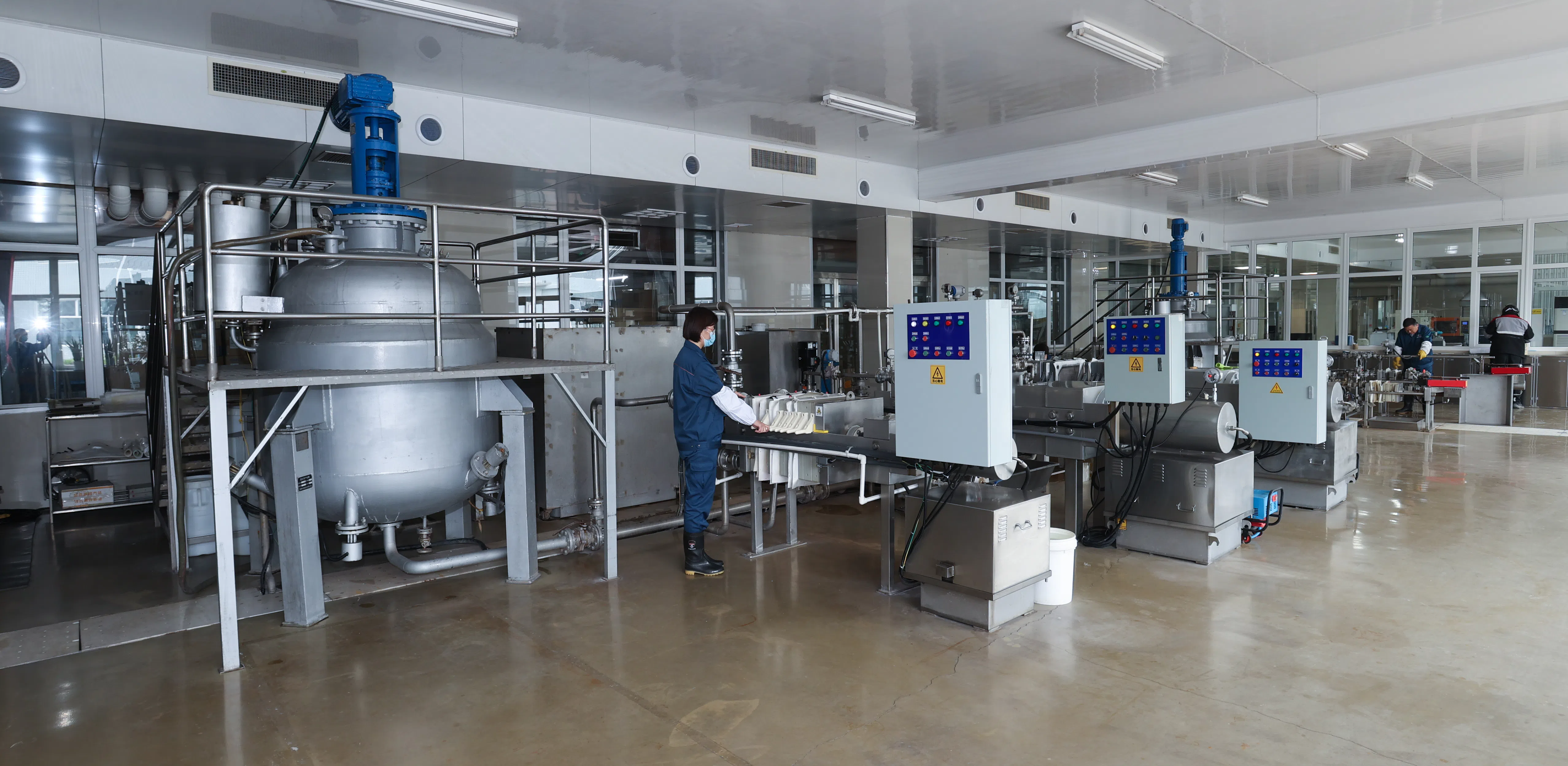
This small manual filter press can be used for preliminary material testing, formulation development, operating parameter evaluation, and small-scale sample preparation. It is also applicable to laboratory wastewater treatment, small sewage treatment facilities, and temporary filtration duties.
With a maximum specified filtration pressure of 0.8 MPa, the equipment offers a practical option for small-scale filtration projects. Final equipment selection should consider the feed material, required filtration area, and operating conditions.
Technical Specifications
| Parameter | Specification |
|---|---|
| Filter Plate Size | 250 mm × 250 mm |
| Filtration Area | Approx. 0.5–1 m² (depending on the number of filter plates) |
| Filtration Pressure | ≤ 0.8 MPa |
| Squeezing Pressure | ≤ 1.2 MPa |
| Clamping Method | Manual screw clamping |
| Filter Plate Material | Reinforced polypropylene |
Operating Process
1. Filtration Preparation
Select the appropriate filter medium for the material and inspect the installation of the plates and cloths. Confirm that the feed and filtrate discharge connections are ready for operation.
2. Plate Clamping
Close the filter plate assembly using the installed manual clamping mechanism and secure it as specified in the operating instructions.
3. Feed Filtration
Introduce the material within the permitted filtration pressure range. Liquid passes through the filter medium while retained solids accumulate inside the filter chambers.
4. Feed Shutdown
After completing the filtration cycle, stop the feed and release any residual pressure in accordance with the equipment's operating procedure.
5. Manual Cake Discharge
Once the equipment is safely depressurized, release the locking mechanism, open the plates, and remove the filter cake. Inspect the cloths before preparing the press for the next batch.
Applications
1. Laboratory Filtration Research
Suitable for laboratory-scale separation studies, including formulation development, material filterability assessment, and preliminary operating parameter evaluation.
2. Small-Batch Sample Preparation
Can be used for batch filtration and sample preparation where material quantities are limited or different feed materials need to be processed separately.
3. Small Wastewater Treatment Facilities
Applicable to selected solid-liquid separation duties involving laboratory wastewater and small sewage treatment operations, subject to the characteristics of the suspended solids and treatment requirements.
4. Temporary Filtration Operations
Provides a small-scale filtration option for short-term projects, limited production trials, and occasional industrial filtration tasks where continuous high-capacity operation is not required.
Company Profile
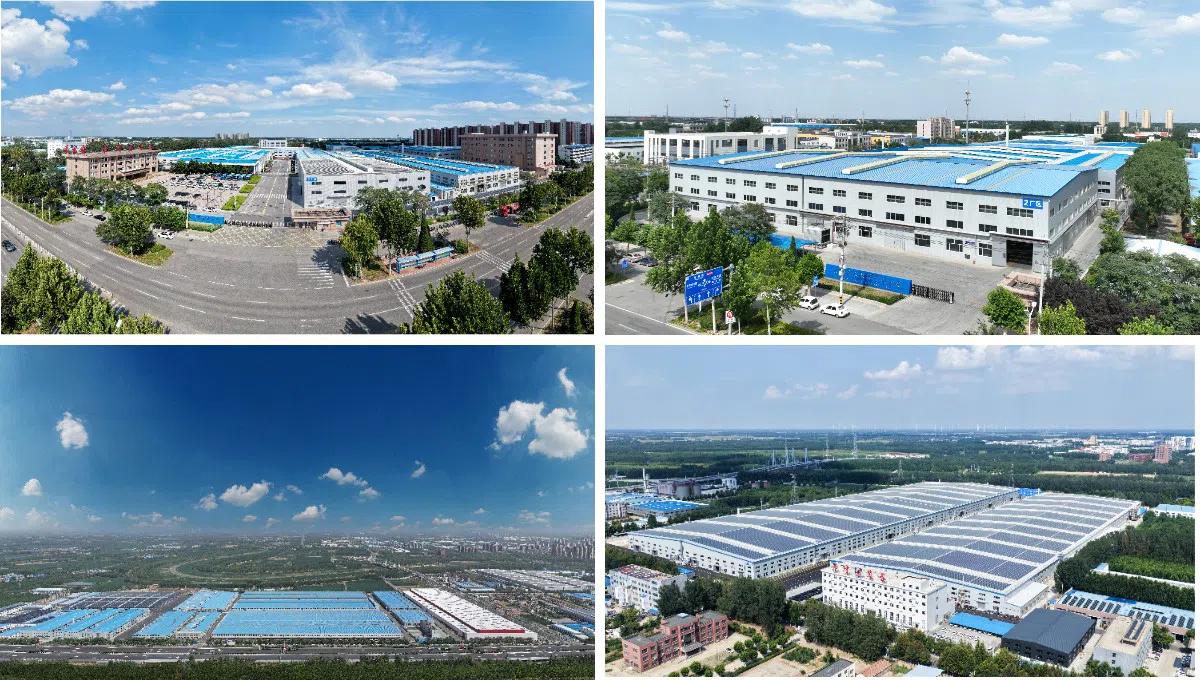
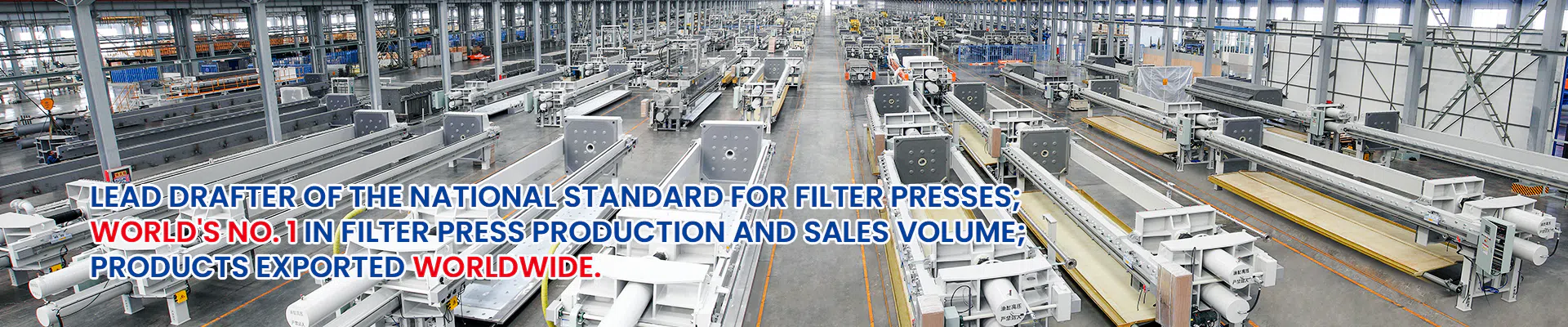
Founded in 1988, Jingjin Equipment Inc. specializes in the research, development, design, and manufacturing of industrial filtration equipment. With extensive experience in solid-liquid separation technology, Jingjin provides a diverse range of filtration solutions, from laboratory testing and small-scale filter presses to large industrial filtration systems, supporting customers in material testing, process development, and industrial production.